
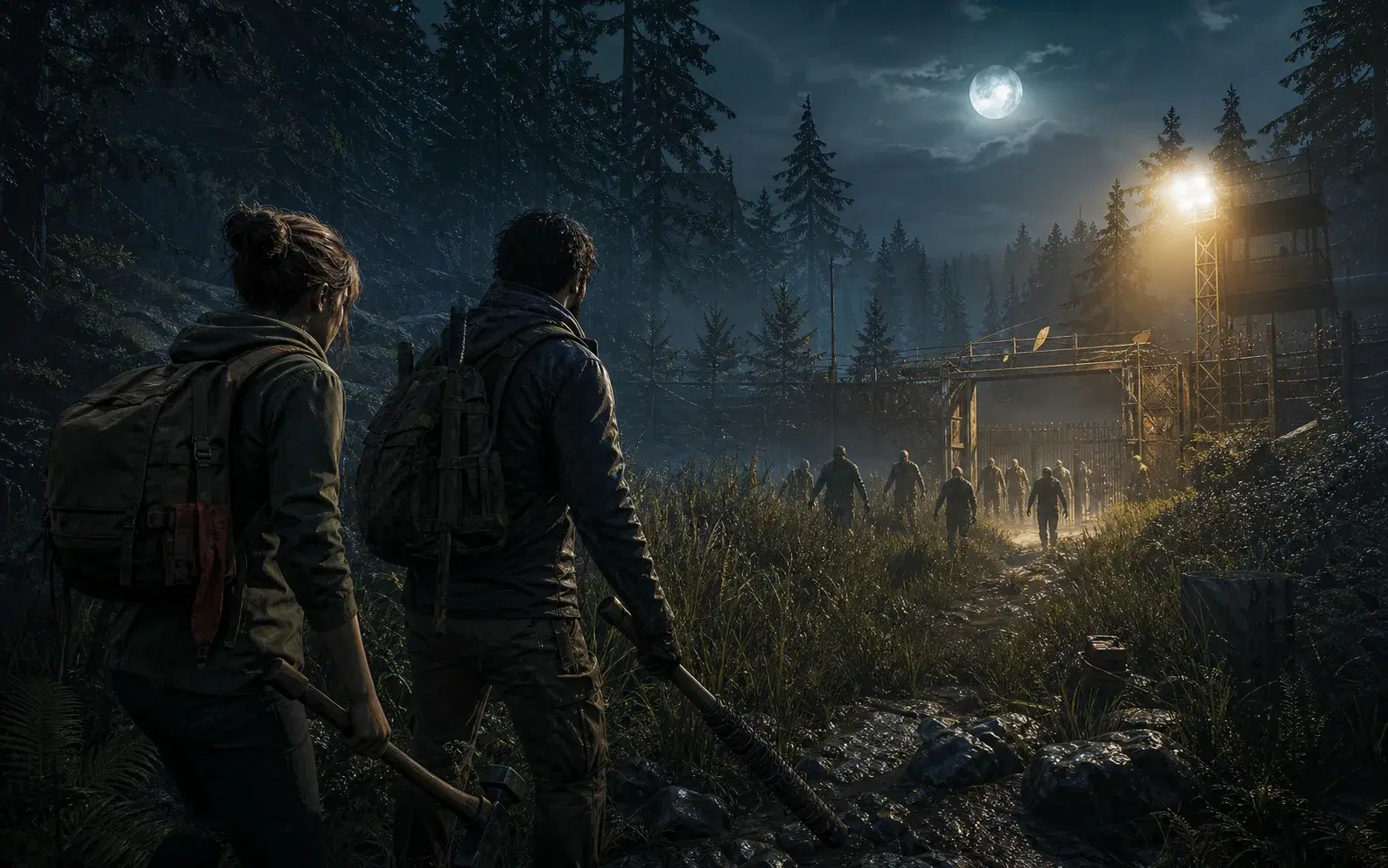
 Concept artwork
Classic Survival
Aim. Move. Hold the ridge.
A wave-based survival loop for testing animated characters, combat feedback, room state, and direct browser controls.
- Primary experiment
- Mouse + keyboard
- Fallbacks
- Gamepad support
Current Lab · Private Alpha
A browser-native 3D prototype lab combining animated Three.js characters, three game variants, and mode-specific keyboard, gamepad, touch, hand, face, and head-tracking inputs.
The current focus is controllerless interaction, AI-assisted game building, companion input, and bounded small-room multiplayer experiments on AWS. Zombie Runner is currently a local course.
Prototype Visual Direction
Current builds include Classic Survival, Zombie Slapper, and Zombie Runner. The workshop scaffold and broader public playtest format are still in preparation.
ZombieRidge program
How It Plays
Familiar controls remain available. Each mode gives a different movement or gesture another chance to become part of the game instead of treating the controller as the only valid input surface.
Concept artworkClassic Survival
A wave-based survival loop for testing animated characters, combat feedback, room state, and direct browser controls.
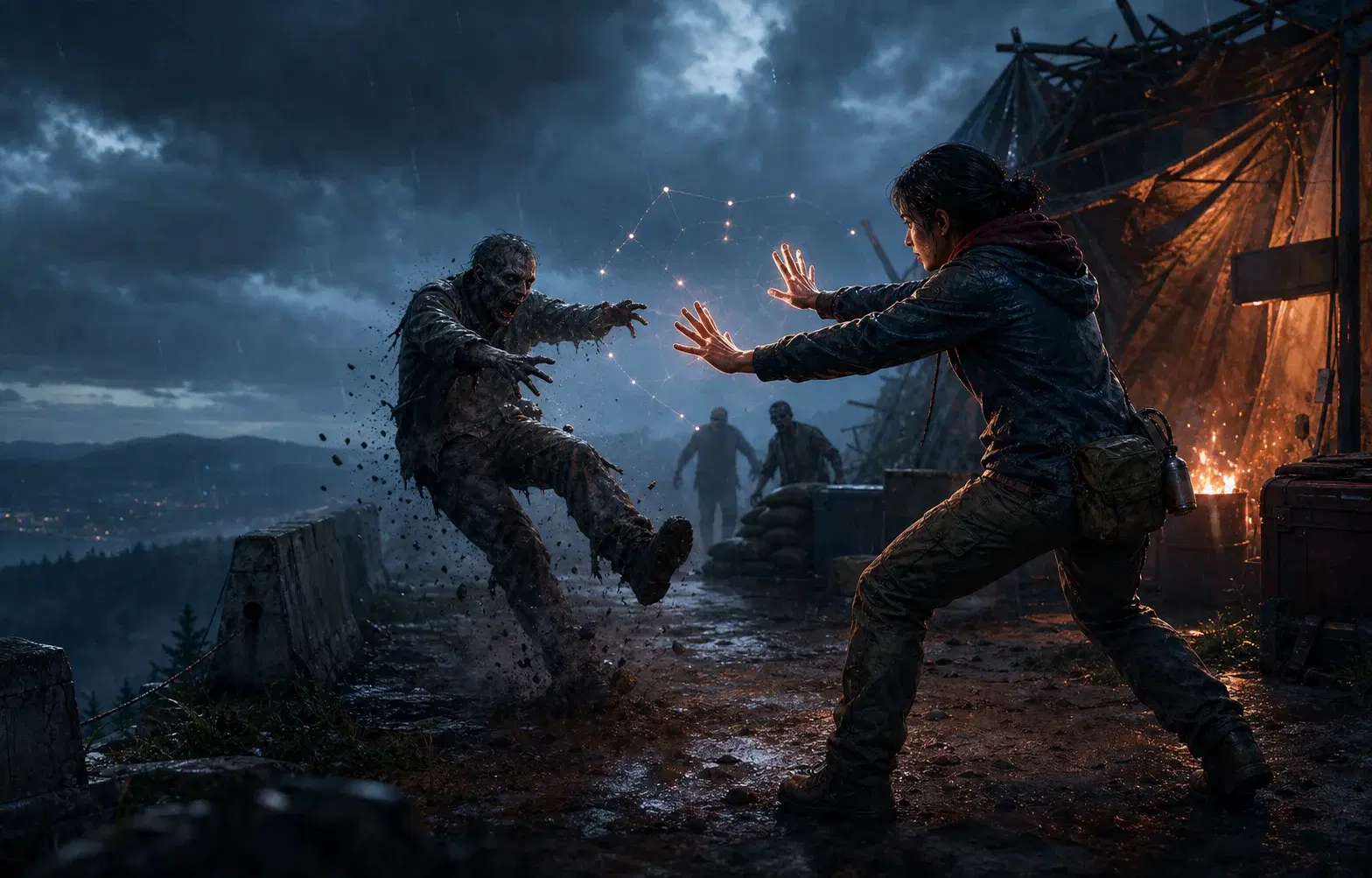 Concept artwork
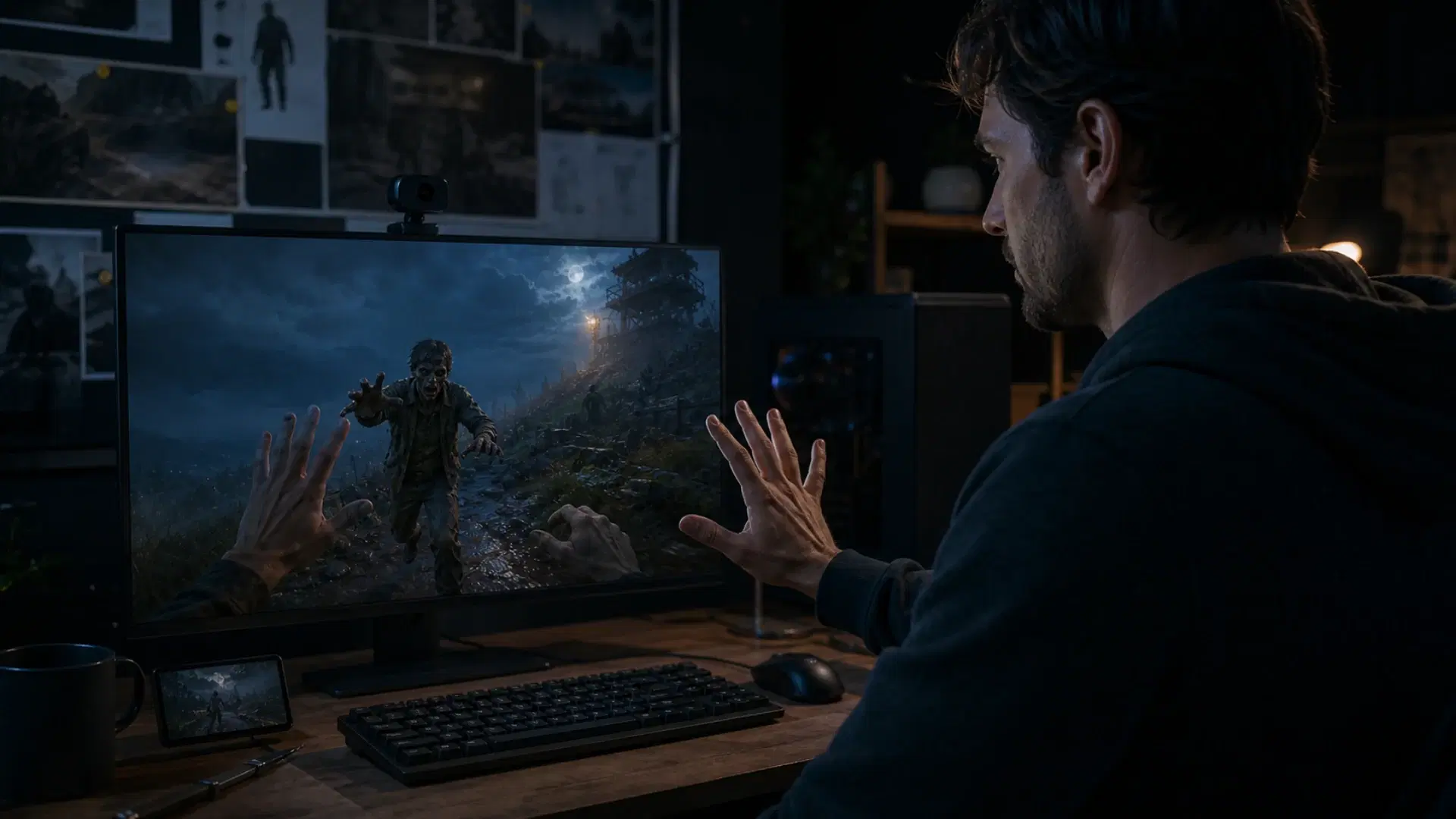
Zombie Slapper
A close-range mode for testing optional webcam hand tracking, alternate camera control, and immediate physical feedback.
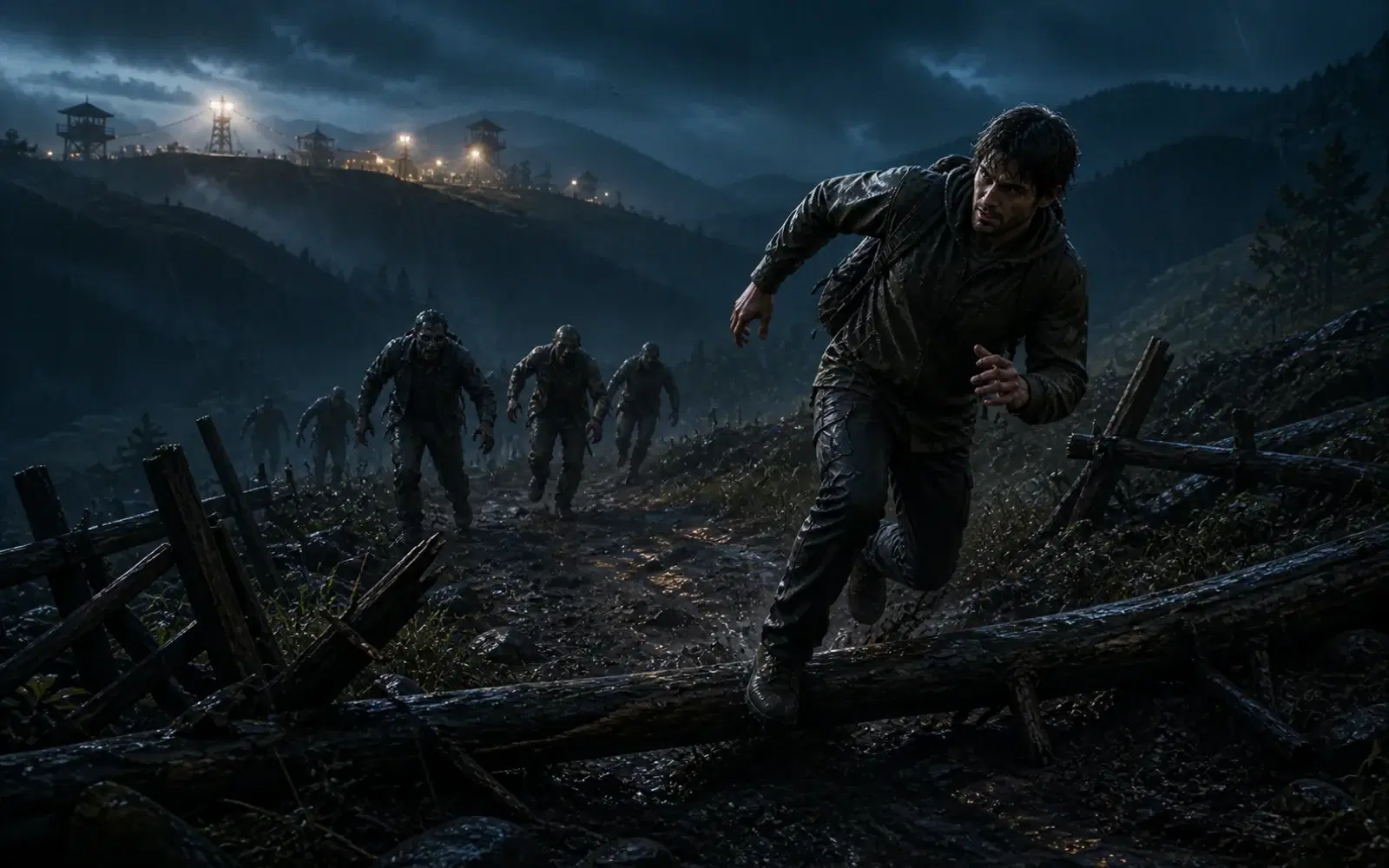 Concept artwork
Zombie Runner
A local movement-first escape course where camera-observed head position can drive steering and actions without removing familiar fallbacks.
From Prototype to Game Camp
We are shaping a focused 2–3 hour pilot around a prepared workshop scaffold: inspect the current game, tune one interaction with coding agents, deploy to AWS, and finish with a bounded small-room playtest.
Review the Pilot DirectionNext.js, Three.js, React Three Fiber, animated characters, and browser physics.
AWS Amplify Gen 2, Amazon Cognito, Amplify Data/AppSync, and DynamoDB.
AppSync Events carries bounded control signals; raw camera pixels stay on the device.
Prototype Status
ZombieRidge is an active prototype lab, not a finished game platform. That boundary makes it useful for hands-on architecture and interaction work: attendees can see the decisions that still need to be made.
Current
Three game variants, authenticated rooms, browser game entry, animated 3D characters, and mode-specific controllerless inputs are implemented.
Validation
Real hand, head, controller, companion-phone, and signed-in multiplayer paths still need a final structured human acceptance pass.
Proposed Next
Prepare a clean workshop scaffold, define AWS lab guardrails, and validate the format with a small community pilot before a larger engagement.
Questions about access, camera data, workshops, or architecture?
The FAQ separates implemented behavior from proposals and open acceptance work.
AWS Architecture
Rendering, physics, and camera interpretation stay close to the player. AWS provides identity, durable room state, and bounded companion-input transport for the current code-gated room experiments.
The architecture question is explicit: when concurrency, simulation authority, anti-cheat, or operational scale exceeds this model, evaluate Amazon GameLift Servers or another authoritative-server design instead of stretching AppSync beyond its role.
Next.js, Three.js, React Three Fiber, animated characters, and browser physics.
AWS Amplify Gen 2, Amazon Cognito, Amplify Data/AppSync, and DynamoDB.
AppSync Events carries bounded control signals; raw camera pixels stay on the device.
Controllerless Direction
Hand and face interpretation runs in the browser. The companion path publishes normalized gestures and control fields rather than raw camera pixels, while keyboard, mouse, touch, and controller inputs remain available.
Proposed Community Pilot
A proposed 2–3 hour hands-on lab for game builders, designers, and technical creators. The first session would be intentionally small so the scaffold, AWS cost guardrails, room flow, and facilitation model can be tested before any larger engagement.
AWS participation, venue, credits, branding, and co-marketing are discussion points—not confirmed event commitments.

Play the current prototype and trace one mechanic through the architecture.
Choose a controllerless input and tune one focused interaction.
Build with Kiro Crew, Codex, or another coding-agent workflow.
Deploy to AWS, connect a companion device or room, and run a small playtest.
Review cost, synchronization, simulation authority, and the next scaling boundary.
A short note is enough. Share whether you are exploring a private demo, a community lab, game-development collaboration, or the AWS architecture boundary.
Review the three game variants, controllerless inputs, room flow, and current maturity boundary.
Shape a bounded 2–3 hour pilot around one mechanic, AWS deployment, and a small-room playtest.
Examine companion input, AppSync-backed rooms, cost controls, and the authoritative-server boundary.
Private Demo or Pilot
No account is required. CloudRaven will review the note and follow up directly.