
TOP Sprint 2026 Collaborator Invitation (Archived)
An archived April 2026 invitation to the original CloudRaven sprint workspace. Current TOP research, access, and plugin testing now live in TrendSights.
 Robert Schaper • April 14, 2026 • 4 min read
TOP Sprint public story
This media introduced the original TOP Sprint mission and collaboration direction. Current research, access, and plugin testing now live in the TrendSights workspace.
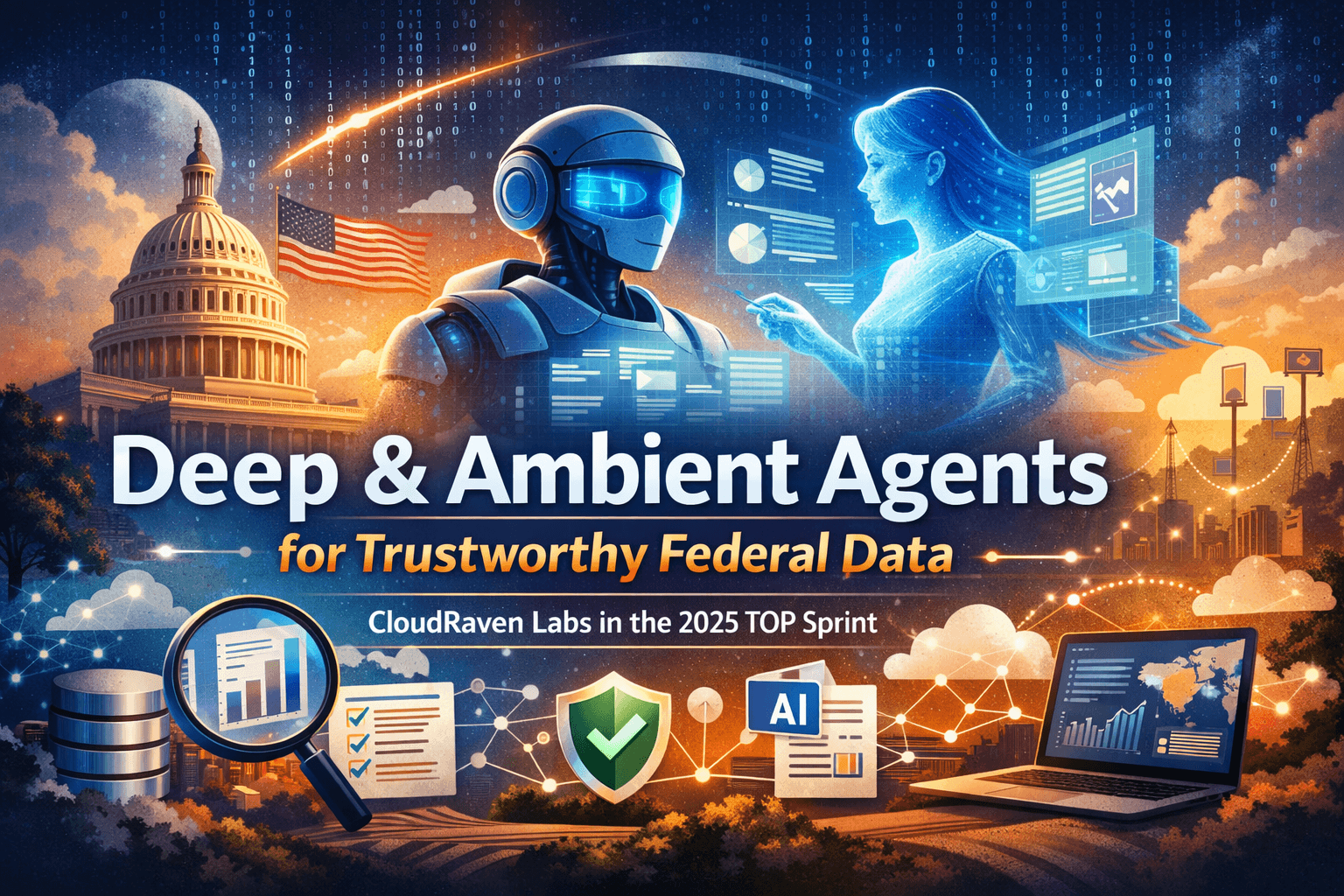
TOP Sprint announcement visual
A campaign visual for the public collaborator invitation.
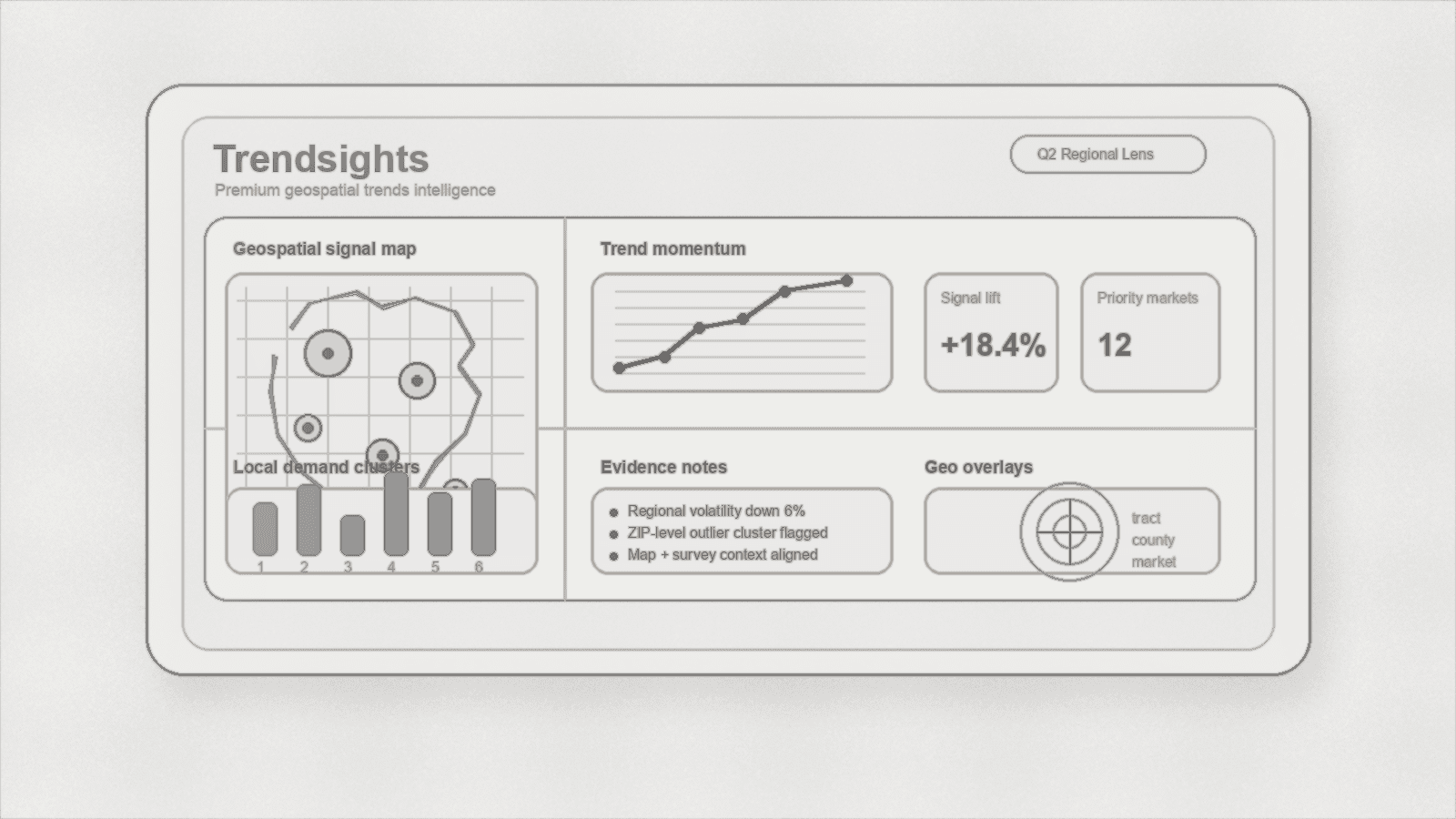
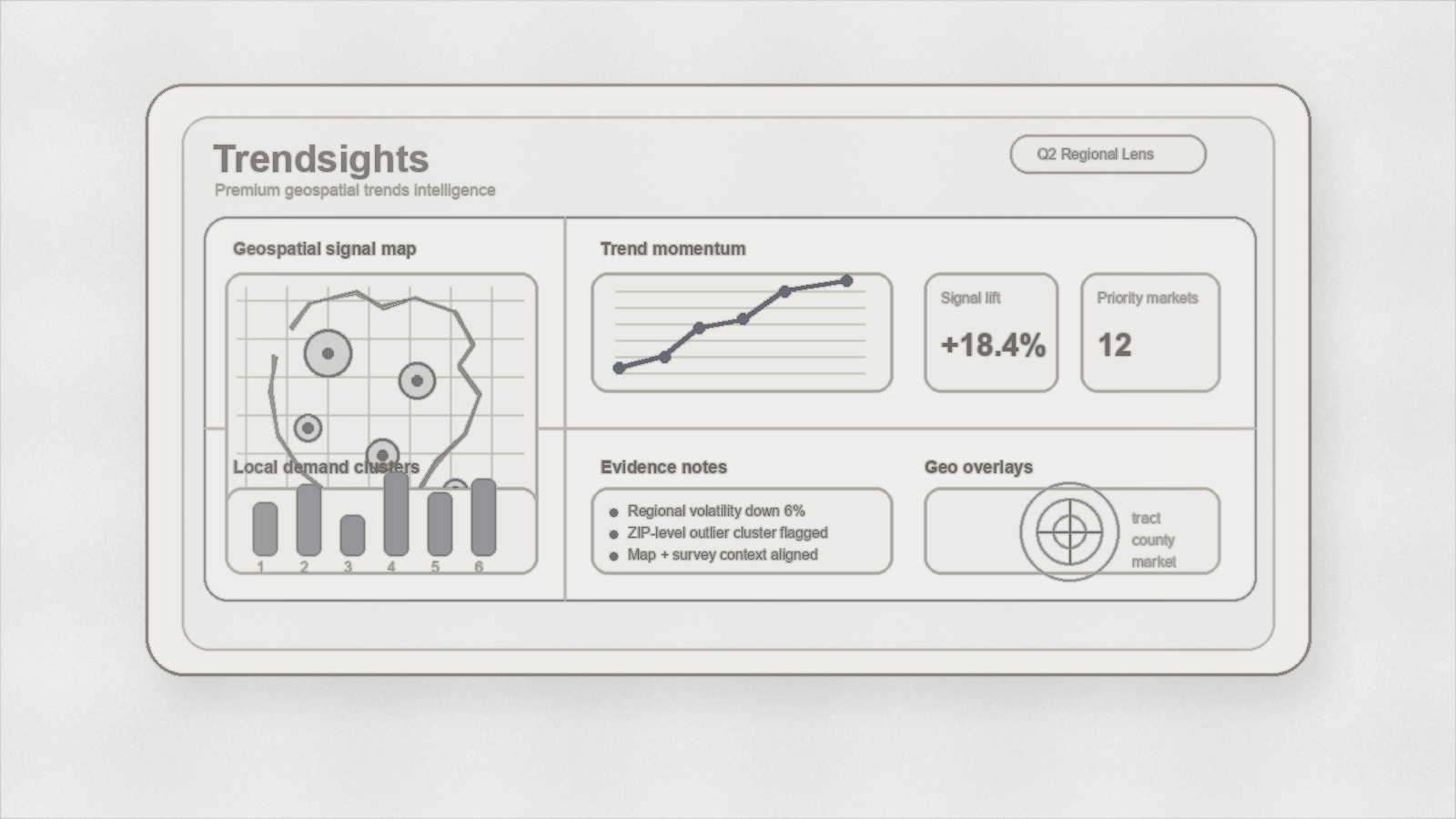
TOP Sprint dashboard sketch
A supporting dashboard concept for the geospatial public-data workflow.
On this page
Status update — August 20, 2026: This April collaborator invitation is archived and should not be read as a current open-sign-up announcement. Active TOP research, access, and plugin testing now live in TrendSights.
This April 2026 invitation documented the original CloudRaven Labs sprint workspace participating in The Opportunity Project 2026 Sprint.
If you have been following the earlier TOP Sprint story and wanted a clearer answer to the practical question, this is it:
The current continuation of that work is the review-gated TrendSights research studio and plugin test.
Review the current TOP Sprint workspace
Why this sprint matters
The Census Open Innovation Labs sprint topic framed the challenge clearly: improve the ability of Large Language Models to serve accurate and reliable information involving federal open data, while also making that data easier for LLM systems to ingest and use well.
That challenge is why CloudRaven joined the original sprint work.
The team worked around a simple standard: if an AI system is going to help people interpret official data, it should be able to show its sources, preserve provenance, and produce outputs that can be checked instead of merely admired. TrendSights now carries that standard forward.
What the program asked teams to improve
According to the sprint topic brief, this work was not only about producing better answers. It also addressed the underlying tooling and data usability for the next generation of AI users.
The key questions in the sprint brief are highly practical:
- Who are the people asking LLMs questions that could benefit from federal data?
- How should the data be served to support those interactions well?
- What improves content quality and accuracy in these systems?
- What essential data exists outside the current API boundary?
The brief also explicitly encourages teams to build or improve tools that integrate the U.S. Census Bureau MCP Server, including testing beta capabilities in real use cases with clear end-user benefits.
That was a strong fit for the CloudRaven lane because the work focused on:
- authoritative citations
- reproducible outputs
- context-window efficiency
- grounded, reviewable agent workflows
Who the invitation addressed
The original invitation addressed people who wanted to help move AI systems from plausible-sounding output toward evidence-backed results.
It described these collaborator perspectives:
- LLM and GenAI developers working on tool use, orchestration, or evaluation
- researchers who care about source quality, definitions, and evidence handling
- user advocates who can represent real workflows, panel feedback, and downstream trust expectations
- data stewards and product advisors who can pressure-test provenance, workflow fit, and adoption risk
- builders who have worked with Census, ACS, or other public-sector datasets
- designers and product thinkers who can make trustworthy systems easier to use
- sharp reviewers who can pressure-test assumptions, workflows, and user experience
The official target end users for the sprint include LLM developers and their downstream users making inquiries about federal data. That means this work matters not just for model builders, but for the real people who depend on reliable answers downstream.
What collaborators were invited to do
The sprint workspace was designed as an active collaboration rather than a passive mailing list.
Collaborators were invited to help shape work across:
- agent workflows and tool integration
- data retrieval and evidence packaging
- prompt and context design
- evaluation and reliability checks
- UX for trustworthy research outputs
- user advocate panel feedback and downstream workflow review
- public story, product framing, and sprint documentation
The goal was to build something credible enough to test, explain, and improve in public.
Team listed in the original invitation
The invitation listed:
- Rob Schaper leading the sprint lane and public program story
- Brian Schaper supporting partner systems and activation architecture
- Chandrika Kaul supporting research and geospatial open-data work
The team was intentionally focused while the original program looked for additional collaborators.
Original registration path (archived)
At the time of this announcement, the CloudRaven sign-up path was:
- Create a CloudRaven account
- Sign in to the workspace
- Choose your participant perspective and submit your TOP Sprint join request inside the private account area
That join request helps us understand where you can contribute best and how to route your onboarding, working lane, and first tasks.
That path is retained here as historical context. Current access requests are handled through TrendSights.
What followed
The sprint work moved into TrendSights, where the public-data direction is now being tested through governed MCP workflows, explicit scope approval, and private research artifacts.
For the current status and release boundary, read:
© 2026 CloudRaven Labs. All rights reserved.
Continue the TOP research in TrendSights.
The program's active product surface now lives in TrendSights, where Census and federal open-data workflows remain review-gated.