
Revolutionizing Rural Address Geolocation with GeoResonanceGPT
CloudRaven's innovative GeoResonanceGPT initiative aims to enhance the U.S. Census Bureau's Master Address File coverage in rural and remote areas, tackling the challenges of non-city-style addresses.
 Robert Schaper • January 07, 2025 • 2 min read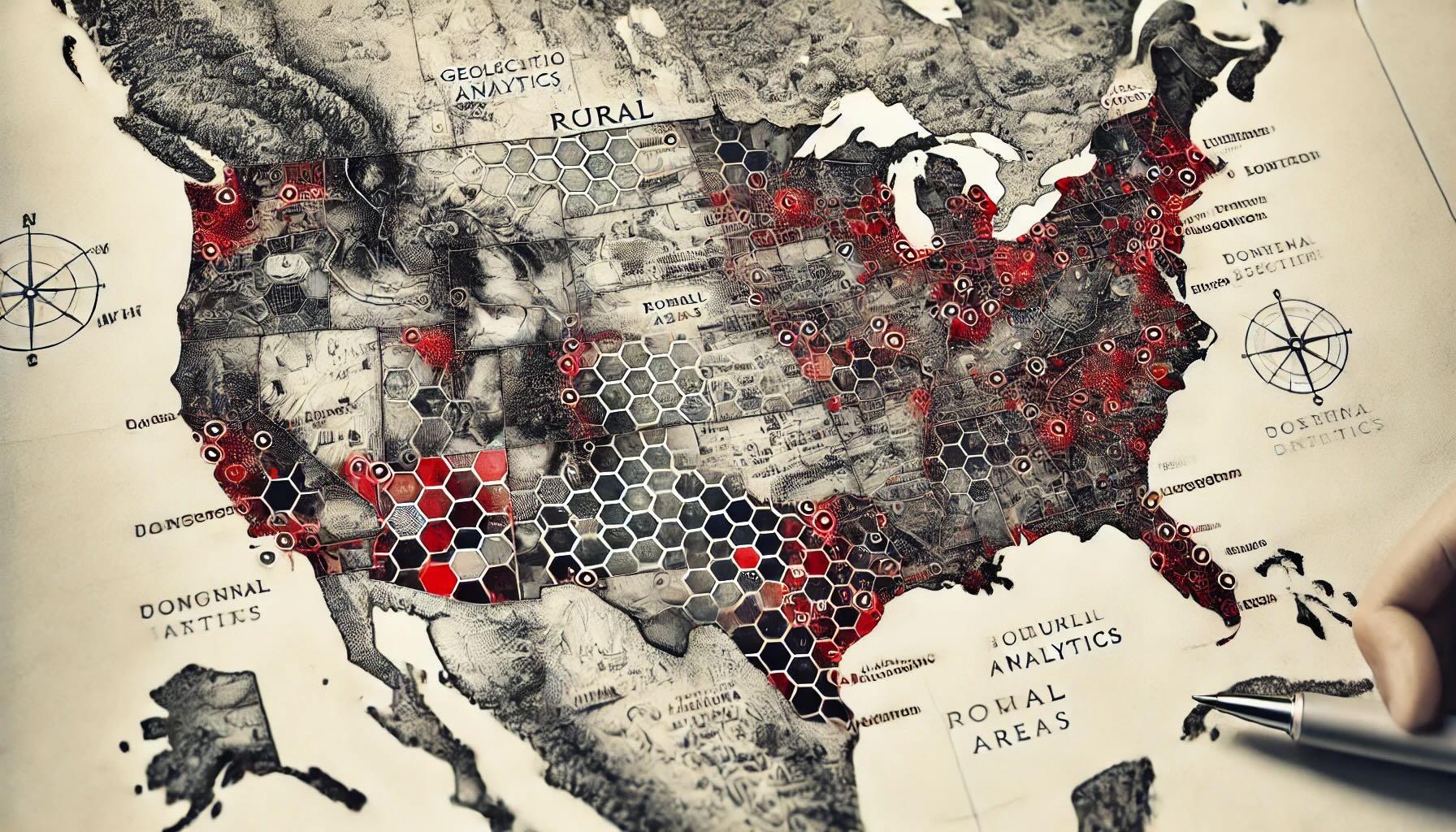
Geospatial signal map
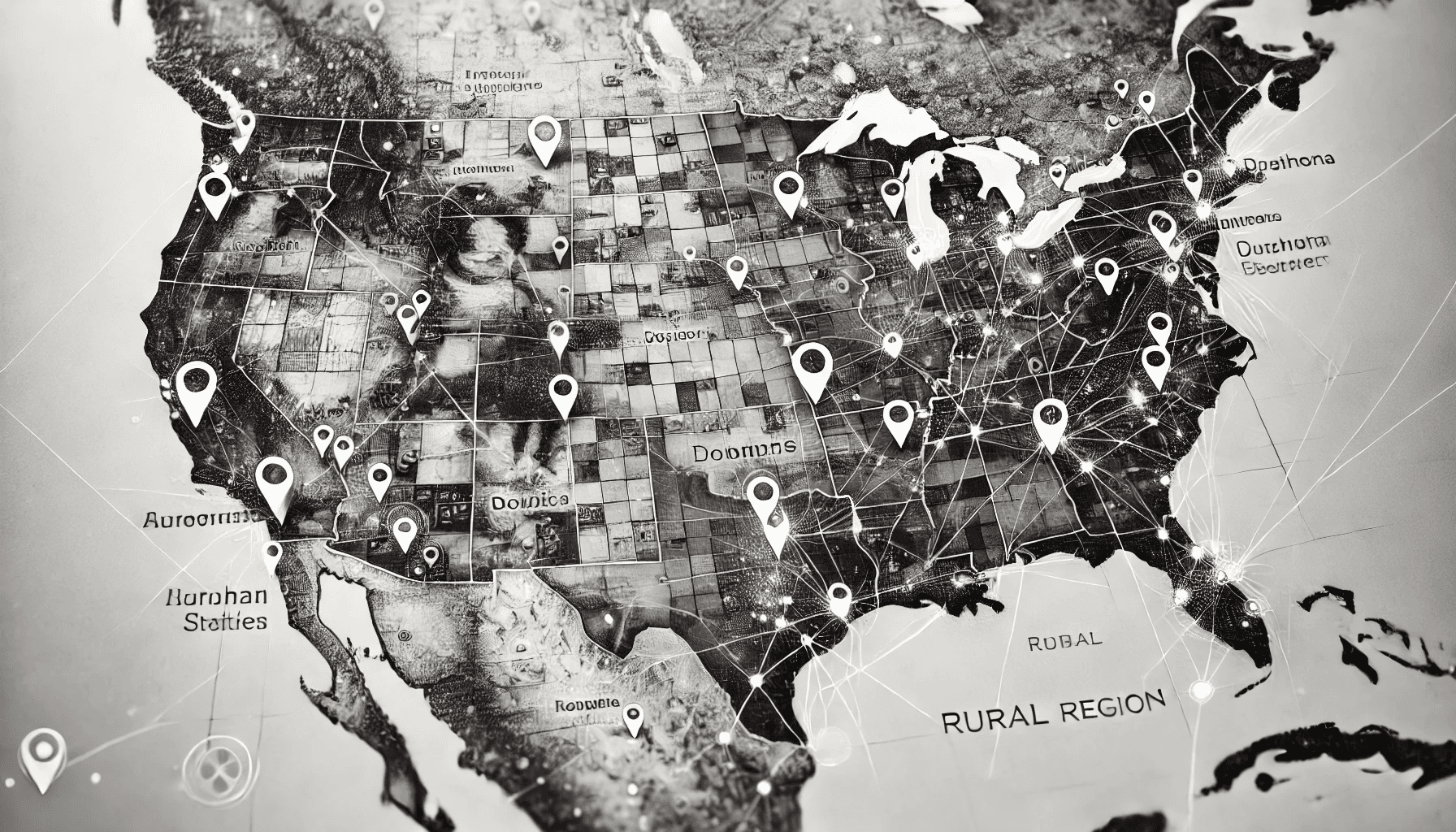
A supporting map visual for explaining rural address-coverage gaps and evidence layering.
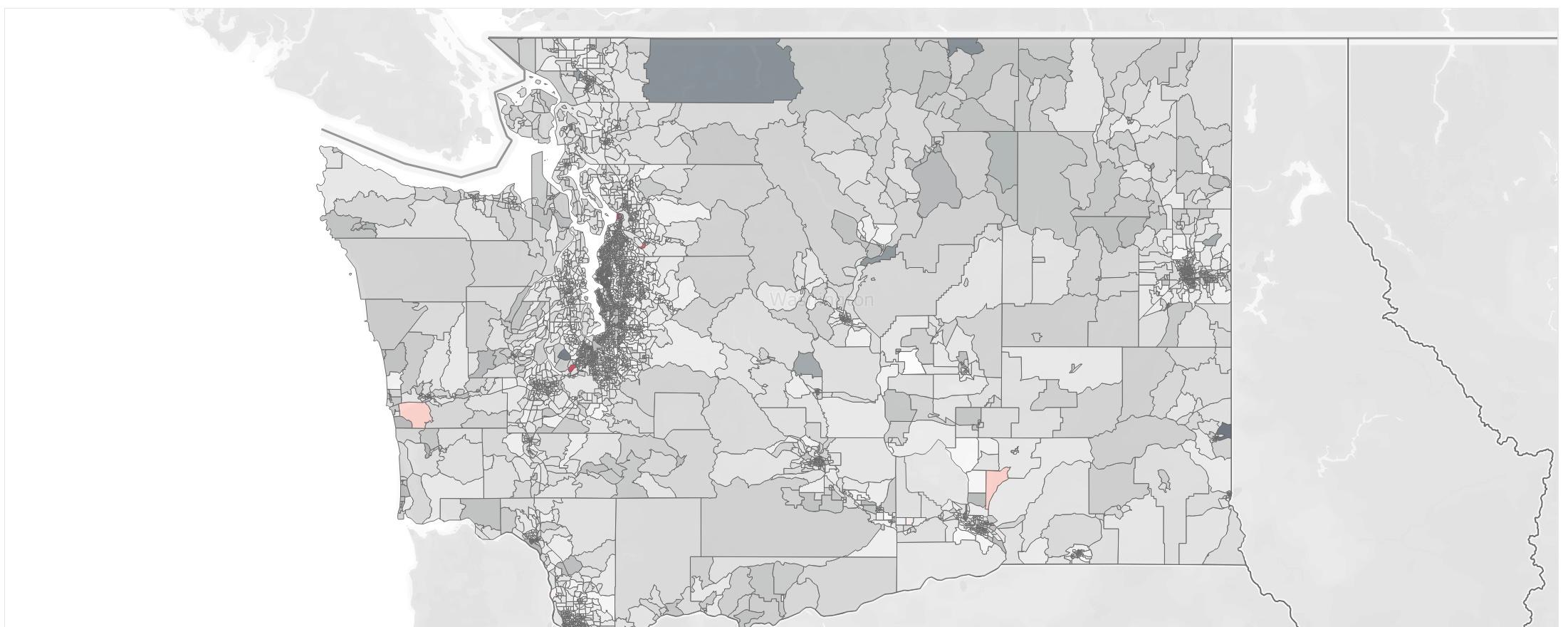
WellTrend geospatial export
A related geospatial export that shows how community indicators can become inspection-ready map artifacts.
On this page
CloudRaven’s GeoResonanceGPT initiative offers a transformative framework for enhancing the U.S. Census Bureau’s Master Address File (MAF) coverage in rural and remote areas. By integrating public-domain datasets, Census-provided data, machine learning (ML), computer vision, multi-modal Large Language Models (LLMs), and Retrieval Augmented Generation (RAG) from a knowledge graph, we deliver a high-precision, scalable solution that focuses on the most difficult geolocation challenges: non-city-style addresses in rural areas, such as American Indian areas, Puerto Rico’s mountainous interior, remote Alaska, and other “data deserts.”
Despite the Census Bureau’s advanced automated change detection and building footprint extraction capabilities, rural and remote address geolocation remains a significant challenge. Gaps persist where non-city-style addresses, cultural nuances on American Indian reservations, incomplete parcel coverage (in Alaska or Puerto Rico’s interior), and hidden or informal housing units evade conventional data sources. Addressing these last-mile scenarios requires innovative reasoning and validation techniques beyond what currently exists.
Why rural address geolocation is still hard
The hardest cases are not usually the big, obvious mapping tasks. They are the edge cases where infrastructure is sparse, addresses are informal, and the strongest clues come from combining multiple weak signals.
These scenarios often involve:
- non-city-style addresses that do not map cleanly to conventional street structures
- incomplete or inconsistent parcel and local reference data
- culturally specific housing patterns that generic models misread
- terrain, weather, and remoteness that limit imagery quality and field verification
That is exactly where a system needs more than raw detection. It needs reasoning, context, and a better way to connect evidence.
GeoResonanceGPT Concept
GeoResonanceGPT supplements current ML-driven methods with a multi-modal LLM that reasons over a knowledge graph for geolocation use cases when generating annotations and scoring inputs. This integration format enables:
-
Entity Extraction & Relationship Modeling: Convert imagery, vector data (e.g., TIGER/Line), textual descriptions, and partner datasets into a structured RDF graph. Encode cultural norms, land use, and administrative rules to form a holistic semantic network.
-
RAG with Knowledge Graph: The LLM queries the graph for domain-specific facts, reasoning through subtle scenarios—e.g., confirming if a structure is a ceremonial Hogan or identifying a secondary basement apartment invisible at first glance.
-
Human-in-the-Loop Validation: Only the toughest cases reach experts, who leverage semantic queries and explainable inference paths. Their feedback updates models, refining performance iteratively.
What this architecture changes
This approach is designed to improve both coverage and confidence.
Instead of treating geolocation as a one-shot prediction problem, GeoResonanceGPT creates a workflow where imagery, tabular data, administrative boundaries, and local context all contribute to the result. That makes it easier to:
- surface why a candidate location was chosen
- preserve evidence for expert review
- compare alternate hypotheses in difficult cases
- improve the system over time with human corrections
Why it matters
Better rural address geolocation is not just a technical exercise. It affects whether hard-to-reach communities are represented accurately in the systems that drive planning, outreach, and public investment.
CloudRaven's GeoResonanceGPT initiative represents a significant step forward in addressing the complexities of rural and remote address geolocation, ensuring that even the most challenging areas are accurately represented in the U.S. Census Bureau's Master Address File.
Start a conversation with CloudRaven
If this article maps to a workflow, product idea, or GTM problem you are actively working through, CloudRaven can help scope the next move.